
 admin
The SS United States, the ocean liner that still holds the transatlantic speed record set on its maiden voyage in 1952, is now resting on the floor of the Gulf. Crews in Okaloosa County, Florida, flooded the 990-foot ship on Wednesday, November 11, and it slipped beneath the surface just before 10 p.m. local time off Destin-Fort Walton Beach, according to ABC News stations covering the event live. It is now the world’s largest artificial reef.
The sinking had been scheduled for November 12 but was moved up a day because of concerns about bad weather, CBS News reported. Spectators traveled from across the country to watch.

How was the SS United States sunk?
No explosives were used. Federal environmental and explosives rules ruled that out, county spokesperson Nick Tomecek told the Associated Press. Instead, crews let seawater flood the hull for hours. The process was slow: at dusk most of the liner was still above water, prompting some onlookers to joke that the stubborn ship couldn’t be sunk. It finally went under late that night.
Before the ship could become a reef, it spent months at a facility in Mobile, Alabama, where workers removed chemicals, wiring, plastics and glass. Its iconic funnels were also removed during preparation.
Why is the SS United States so famous?
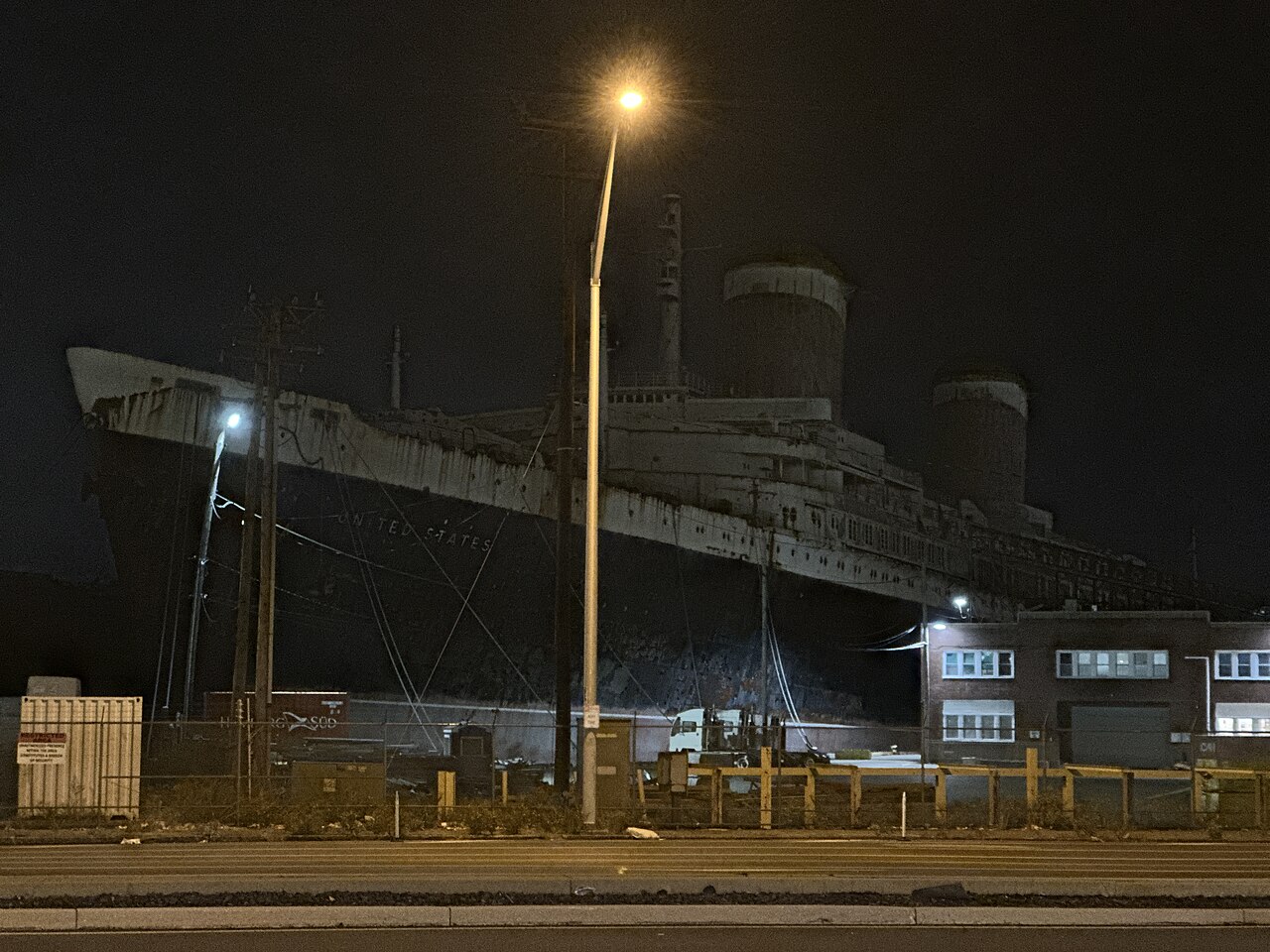
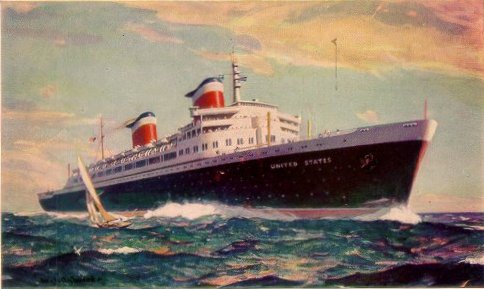
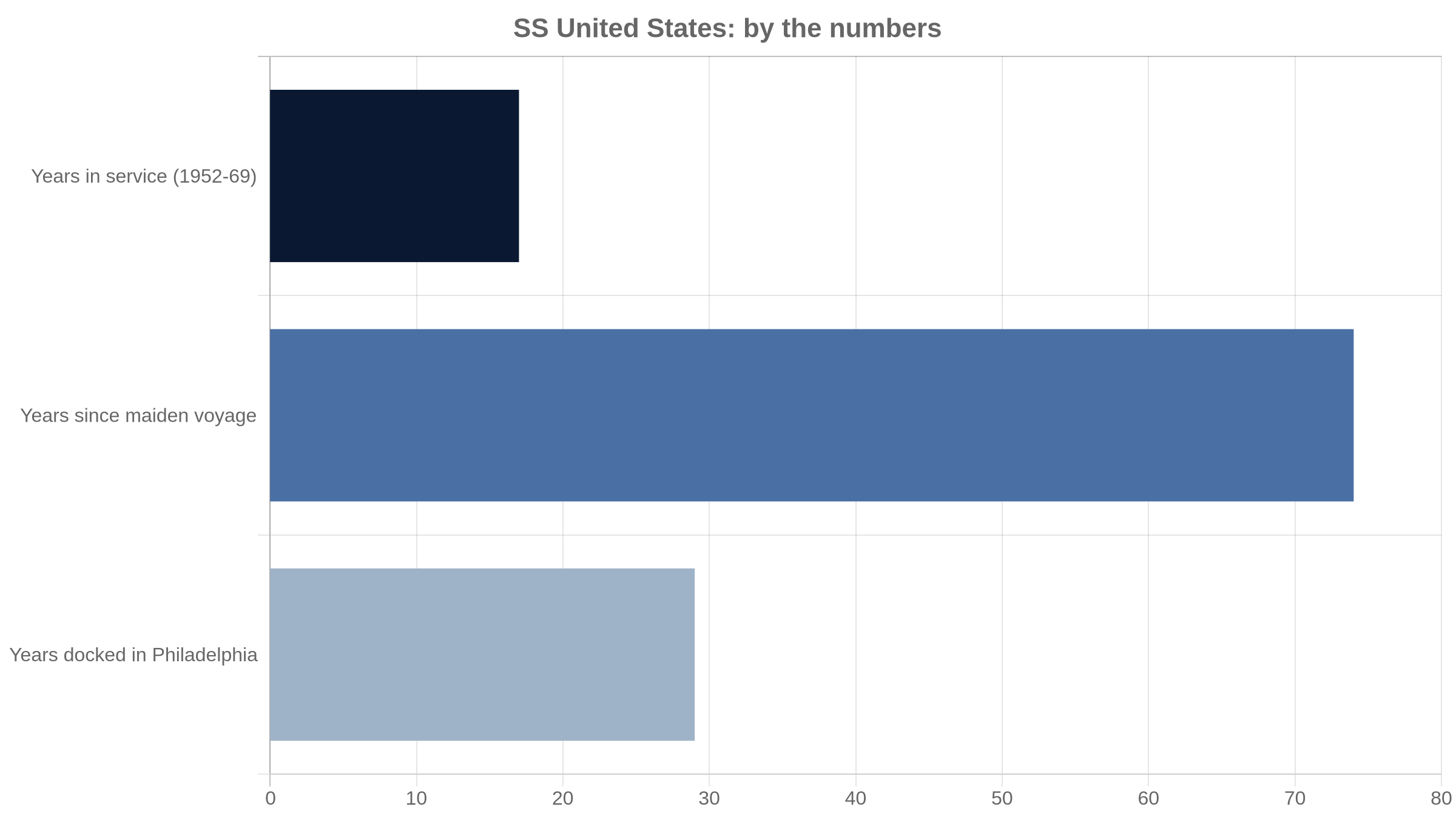
Built for United States Lines and launched into service in 1952, the liner was designed as a symbol of American engineering and could double as a troop carrier in wartime. On its first crossing it beat the transatlantic speed record, averaging about 36 knots, and no ocean liner has topped that mark since. It is longer than the Titanic and remains the largest passenger ship ever built in the United States.
The jet age ended its career quickly. The ship was withdrawn from service in 1969 and passed through a series of owners whose redevelopment plans never materialized. From 1996 it sat docked in South Philadelphia, slowly deteriorating, while the SS United States Conservancy tried to raise money to save it.
How it ended up off Florida
- 2024: After losing a rent dispute with its pier owner, the Conservancy agreed to sell the ship to Okaloosa County for about $10 million.
- February 2025: Tugboats towed it from Philadelphia on a roughly two-week trip to Mobile, Alabama.
- 2025 to 2026: Environmental cleanup and reef preparation in Mobile.
- November 11, 2026: Sunk roughly 20 nautical miles off the Florida Panhandle.
What happens to the ship now?
The wreck joins Okaloosa County’s network of more than 500 artificial reefs and sits near the USS Oriskany, the 911-foot aircraft carrier sunk in 2006 that previously held the record. Officials expect it to attract grouper, snapper, mackerel and other fish, and to draw divers from around the world to the Florida Panhandle. The Conservancy also plans a land-based museum with artifacts, furnishings and archival material from the ship.
Not everyone celebrated. Preservationists fought for years to keep the liner afloat, and at least one lawsuit tried to block the reef plan. But county officials argued the only alternative was the scrapyard.
Looking for something lighter today? Catch up on the Golden Joystick Awards 2026 winners or this week’s How to Rob a Bank reviews.
Related on Nerdism
- Netflix Poised to Buy Radford Studio Lot at Auction
- Golden Joystick Awards 2026 Winners
- Nvidia Board Investigates Jensen Huang
Sources: CBS Philadelphia, ABC7, FOX 13, Marine Insight, Wikipedia