
 ALEX BROWN
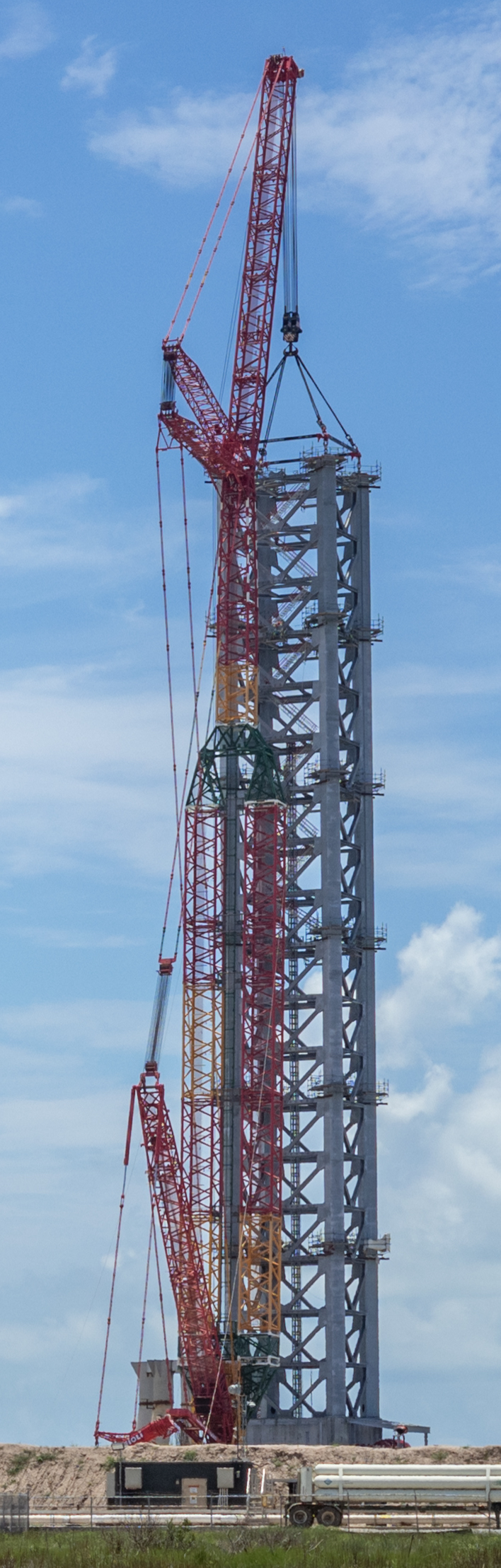
SpaceX caught a Starship upper stage returning from orbit for the first time on Saturday, November 14, 2026, using the giant “chopstick” arms of its launch tower at Starbase, Texas. Ship 42 was grabbed at 3:20 p.m. CST, about 22 hours after launching on Flight 15, but the Super Heavy booster was lost after an anomaly, so SpaceX missed its first-ever double catch.
Quick facts
- Mission: Starship Flight 15 (Ship 42, Booster 22)
- Launch: November 13, 2026, 4:47 p.m. CST, Orbital Launch Pad 2, Starbase
- Ship catch: November 14, 2026, 3:20 p.m. CST
- Time in orbit: about 22.5 hours
- Booster: catch aborted after an early boostback shutdown; it exploded
Did SpaceX catch Starship?
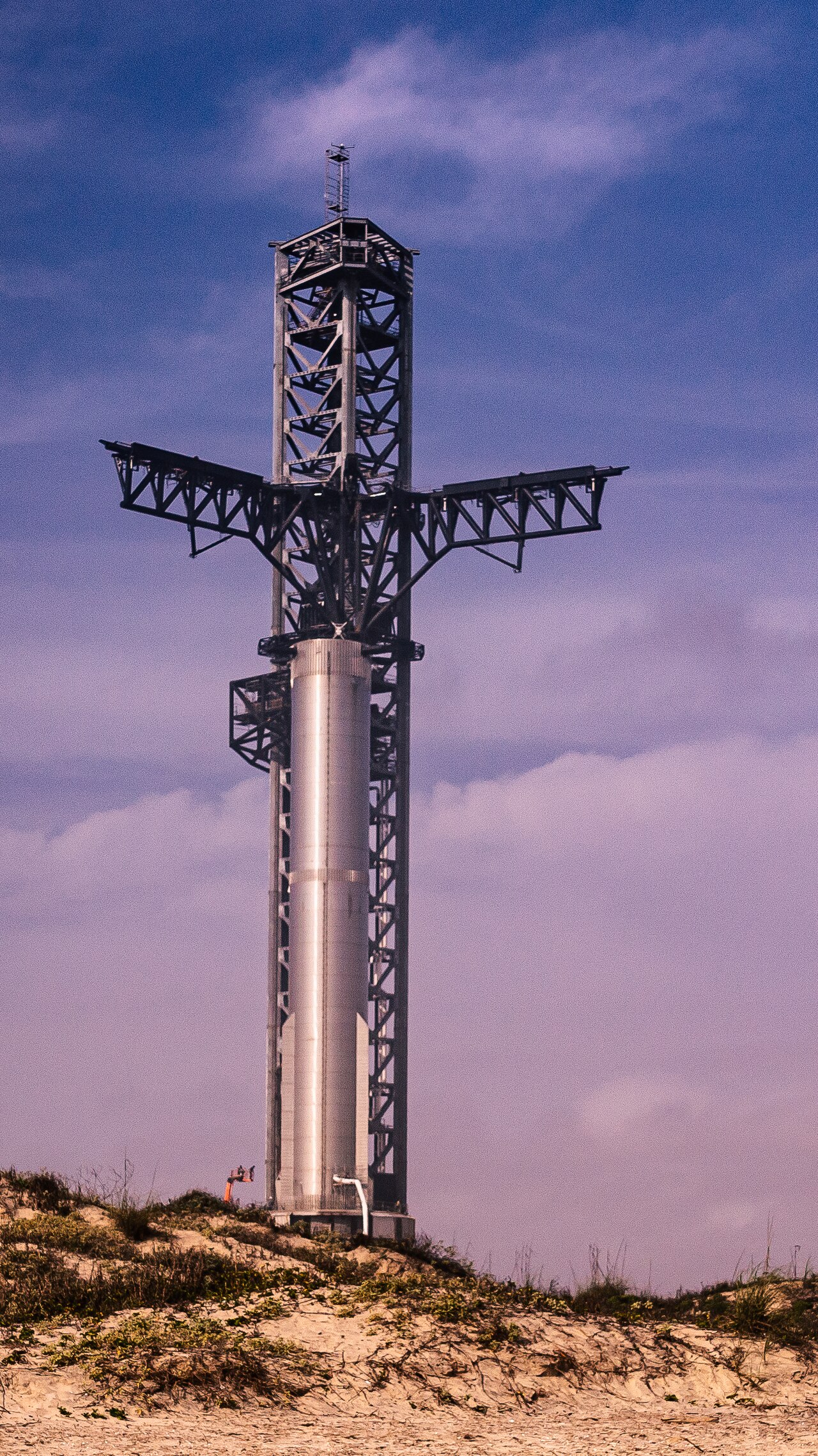
Yes. SpaceX caught Ship 42 with the tower’s mechanical arms, nicknamed “Mechazilla,” after it returned from orbit, the Associated Press reported. “Mechazilla has caught the Starship,” SpaceX broadcast host Dan Huot told viewers, according to Via Satellite. SpaceX had caught the Super Heavy booster on three earlier flights, but never the ship itself.
What happened on Starship Flight 15?
Flight 15 lifted off at 4:47 p.m. CST on Friday, November 13, after the FAA issued the launch license that same day. During ascent, the Super Heavy booster’s boostback burn ended early because of an anomaly, so SpaceX called off the booster catch, and the booster exploded, according to Via Satellite and Al Jazeera.
The ship carried on. Latin Times, citing SpaceX, reported Ship 42 completed 14 orbits and deployed 26 Starlink V3 satellites. To come home, it relit a single Raptor engine for a deorbit burn, survived reentry, then lit three engines to descend into the tower’s arms. SpaceX’s Kate Tice said the heat shield and other ship systems appeared to work well, per Al Jazeera.
Why does catching Starship matter?
A tower catch is central to SpaceX’s plan to make Starship fully reusable. SpaceX officials said the catch demonstrates the ship’s full reusability, which is crucial for rapid, low-cost reflights, the AP reported. If both stages can land back at the pad, they can be inspected, refueled and flown again quickly, much like an airliner. That matters for Starlink deployment and for NASA’s Artemis moon landings, which depend on a Starship lunar lander being refueled in orbit.
How many times has Starship flown?
Flight 15 was the 15th flight of a full-scale Starship since 2023 and only its second trip to orbit, Al Jazeera reported. Wikipedia’s launch log counts 10 successes and 5 failures through November 14, 2026.
What’s next for Starship?
Elon Musk has said SpaceX will try again for the double catch, landing both the booster and the ship on the same flight, on the next test, according to Space.com. No date for Flight 16 has been announced. In other big tech news this weekend, Microsoft wrapped up a 30-hour Microsoft 365 outage.
FAQ
When did SpaceX catch Starship?
On November 14, 2026, at 3:20 p.m. CST at Starbase, Texas.
Was the Super Heavy booster caught on Flight 15?
No. An anomaly ended its boostback burn early, the catch was called off and the booster exploded.
What is Mechazilla?
It’s the nickname for Starbase’s launch tower and its two mechanical “chopstick” arms that catch returning rockets.
Get the Nerdism Newsletter
Trailers, box office and gaming news in your inbox. Free, no spam, unsubscribe anytime.
Related on Nerdism
- Microsoft 365 Outage Explained
- FAA Nationwide Ground Stop: What Happened
- Blade Runner 2099: Everything to Know
Sources: Associated Press via NBC News, Via Satellite, Al Jazeera, Space.com, Wikipedia, Latin Times.